
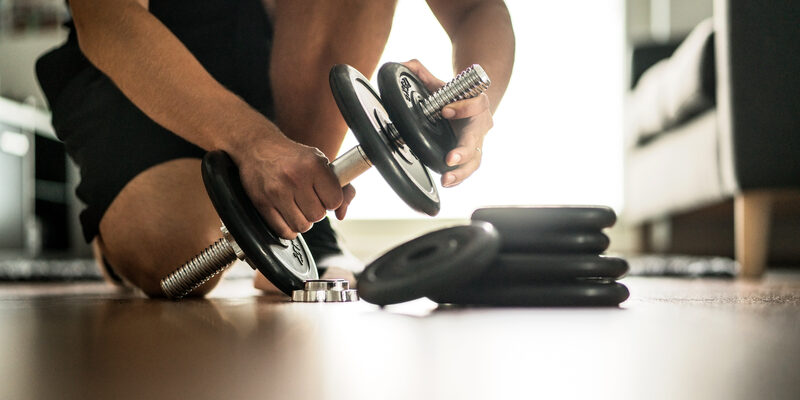
When you do exercise of any kind, it causes microfractures to your bones and microtears in your muscles. This, at first, might sound like a bad thing. But as a result of these microtraumas, the body repairs the bone and muscle tissue, and it doesn’t just repair to be like it was before the trauma. It actually repairs the microfractures with stronger, denser bone, and repairs the microtears with stronger, thicker muscle.
This is how the body works. It recognizes the need for improvement and responds accordingly. The microfractures in the bone and the microtears in the muscle occur because it could not handle the stress and load put upon it. The injured tissue acts as a signal to the body that action and attention is required. The body recognizes that it will be put under this increased stress and demand and that there is a need for stronger tissue. So, it lays down thicker bonds and stronger fibers in the needed areas in a way to adapt to the environment that it is being exposed to. That’s awesome!
This principle is inherent in all aspects of human life. We adapt when needed and able. And it’s not just in our physical bodies. Our minds and emotions, when tested and challenged, get stronger, tougher, and more resilient. When we are let down over and over, we build up a protective layer of emotions to handle each encounter better and better. We are vulnerable to injury, disappointment, and failure, but once injured, disappointed, or failing to achieve something, we are better prepared for and better able to handle the next trauma, disappointment, or failure.
These days, we put a ton of effort into making life as easy as possible. It makes sense, why wouldn’t we? It’s a noble and sensible goal. But in the process, those resilient muscles that we need so badly never get tested or used. And like most things in the body (and life in general), if we don’t use it, we lose it.
Our ancestors didn’t have to go to the gym, they were lifting, bending, climbing, and carrying every day. Because our lifestyles have become less physically demanding, we have to make an effort now just to put our muscles and bones under the stress they need to get and stay strong. Our ancestors didn’t avoid hard work, they embraced it. The difficulties they accepted as a normal part of life not only kept them alive, it allowed them to get stronger, more adaptive, and better equipped.
We can protect ourselves by staying inside, not taking chances, and avoiding deeper relationships. Yes, that will lower our chances of getting hurt, both physically and emotionally, but it robs us of the meaningful, fulfilling, and essential experiences that make life worth living.
The pain we feel in our worn hands after a hard day of work means that thicker, tougher skin will be laid down by the body so that the next time we engage in that exact same activity, our hands will handle it better and hurt less. The fatigue and discomfort that we feel when we get sick with a cold or flu means that the body is creating antibodies, and our immune system is getting stronger, so that the next time we encounter those same pathogens, we resist getting sick. We’ve got a body that is responding to its environment every day, bolstering our system, strengthening our abilities, and reinforcing our resolve. But it must be put under stress for this miraculous growth to occur.
The stress that we work so hard to avoid is an essential ingredient needed for growth. We don’t get growth without stress. It’s a known law of nature. So, we must be careful on how we go through life. Embracing the stress is a much better strategy than trying to isolate yourself from it. It’s hard to love stress, but seeing it as a growth stimulator can help us accept it. Stress is inevitable, it is part of daily living, and knowing that we do benefit from the stress can change our relationship with it. Know that the stress and friction you are hit with today comes with increased strength and improvement tomorrow.